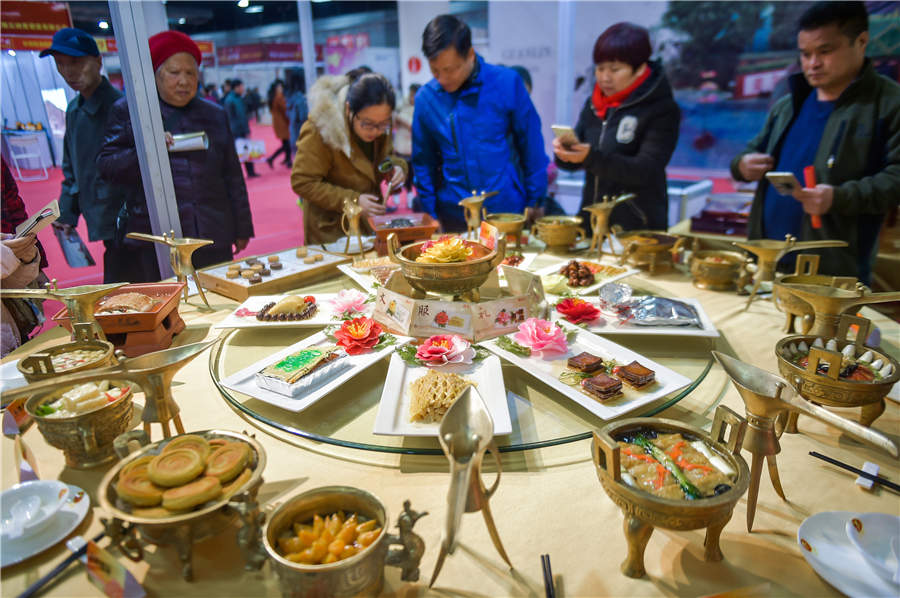
Luoyang Water Banquet
Introduction
The Luoyang Water Banquet, known as "Luoyang Shuixi" in Chinese, is a renowned culinary tradition originating from Luoyang, a historically significant city located in Henan province, China. This banquet is celebrated for its arrangement of 24 distinct dishes, with a focus on soups and broths, which are served in a specific order to create a harmonious dining experience. The banquet highlights the culinary artistry and intricate preparation techniques emblematic of traditional Henan cuisine. The name "Water Banquet" refers to the predominance of liquid-based dishes, reflecting the banquet's emphasis on soups as a medium to showcase the diverse flavors and textures of the ingredients used.
History
The Luoyang Water Banquet boasts a history that spans over a millennium, with its origins deeply rooted in the cultural and gastronomic heritage of ancient China. The banquet is believed to date back to the Tang Dynasty (618-907), a period known for its cultural prosperity and culinary innovation. During this era, the banquet gained prominence as a favored dining custom among the nobility and the imperial court. Over time, the banquet evolved, incorporating influences from various dynasties, and became an integral part of regional celebrations and official functions in Luoyang.
The banquet's fame further solidified during the Song Dynasty (960-1279), when Luoyang was a thriving cultural and commercial hub. It was during this period that the banquet's structure was formalized, with a set sequence of dishes that emphasized the balance of flavors and the artistry of presentation. The continuous refinement of the Water Banquet through subsequent dynasties contributed to its enduring legacy as a symbol of Henan's rich culinary tradition.
Cultural Significance
The Luoyang Water Banquet holds significant cultural value as a representation of Henan's gastronomic heritage and serves as a testament to the region's culinary prowess. It embodies the principles of balance and harmony, which are central to Chinese culinary philosophy. The meticulous preparation and presentation of the dishes reflect the skill and dedication of the chefs, highlighting their mastery in combining flavors, textures, and aromas to create a cohesive dining experience.
In addition to its culinary importance, the banquet also serves as a cultural artifact, preserving the traditions and customs of ancient Chinese dining practices. It is often featured in cultural festivals and events, showcasing the rich history and diversity of Henan cuisine to both locals and visitors. The recognition of the Water Banquet as a national intangible cultural heritage further underscores its significance as a cultural treasure that continues to influence contemporary culinary practices.
Key Features
The Luoyang Water Banquet is characterized by its elaborate sequence of dishes and distinctive preparation techniques, which collectively define its unique culinary identity.
Variety of Dishes
The banquet comprises 24 dishes, predominantly soups and broths, each crafted to highlight the flavors and textures of the ingredients used. Notable dishes include Peony Swallow, the first main dish that sets the tone for the banquet, and Mudanyancai (radish soup with vegetables and Chinese ham), which is celebrated for its rich and aromatic broth. Other dishes in the banquet may feature a variety of meats, vegetables, and traditional Chinese herbs, each contributing to the overall diversity and complexity of the meal.
Serving Order
The sequence of dishes in the Luoyang Water Banquet is carefully curated to provide a balanced progression of flavors and textures. The banquet typically begins with lighter soups, gradually moving towards richer and more robust broths, before concluding with desserts and palate cleansers. This deliberate order ensures that diners experience a harmonious blend of tastes, with each dish complementing and enhancing the flavors of the previous one. The serving order reflects the banquet's emphasis on achieving a symbiotic relationship between the culinary elements, offering a holistic dining experience.
Preparation and Ingredients
The preparation of the Luoyang Water Banquet is a testament to the skill and expertise of the chefs, who employ traditional techniques passed down through generations. Ingredients commonly used in the banquet include a variety of meats such as pork, chicken, and fish, as well as an array of vegetables, herbs, and spices. The diverse ingredients are carefully combined to create broths that are both flavorful and nourishing.
The preparation of certain dishes, such as Mudanyancai, requires extended cooking times to allow the flavors to fully develop and meld together. This dedication to craftsmanship ensures that each dish not only satisfies the palate but also embodies the essence of Henan cuisine's rich culinary tradition.
Festivals and Celebrations
The Luoyang Water Banquet is a prominent feature in various cultural festivals and celebrations in Luoyang and other parts of Henan province. It is often showcased during events that celebrate regional culture and heritage, drawing both locals and tourists who seek to experience the banquet's unique flavors and historical significance. The banquet serves as a culinary centerpiece, offering a glimpse into the traditions and customs that have shaped Henan's gastronomic identity over the centuries.
In contemporary times, the Luoyang Water Banquet continues to inspire and influence modern culinary practices, with chefs drawing from its rich history to create innovative interpretations of traditional dishes. Its enduring appeal as a cultural and culinary icon ensures that the banquet remains a cherished part of Henan's cultural landscape, celebrated for its historical roots and its ongoing contribution to the preservation of regional culinary traditions.








